


The 10 Scariest Things About Nursery Cots
페이지 정보

본문
The Essential Guide to Nursery Cots: A Comprehensive Overview
Choosing the right nursery cot is an essential decision for parents preparing for the arrival of their newborn. A cot not only works as a safe and comfortable location for the baby to sleep but also plays a considerable role in the total design and performance of the nursery. This short article provides a thorough take a look at nursery cots, covering whatever from types and products to safety standards and style considerations.
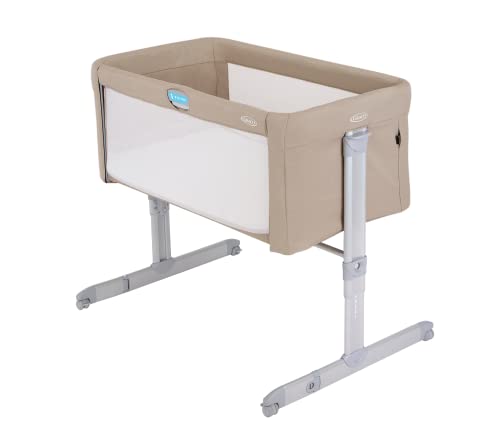
Understanding Nursery Cots
A nursery cot, also referred to as a crib or baby cot, is a specialized piece of furniture developed specifically for babies and young children. It is generally identified by its high sides to avoid the baby from rolling out and a firm, flat mattress to make sure a safe sleeping environment. Nursery cots come in numerous designs, materials, and features, each dealing with various requirements and choices.
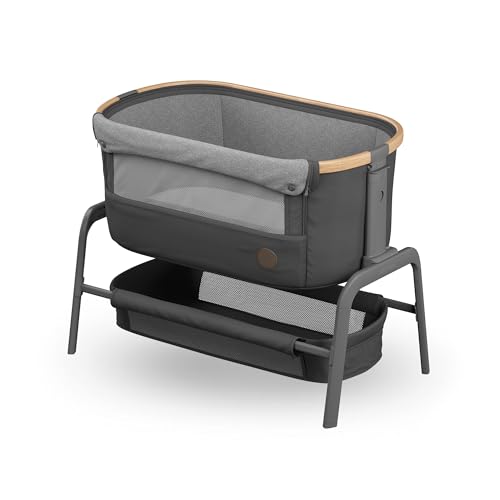
Kinds Of Nursery Cots
Standard Cots
- Description: These are the most typical kind of nursery cots, featuring a rectangle-shaped design with repaired sides and a drop-side system for easy gain access to.
- Pros: Affordable, extensively readily available, and simple to establish.
- Cons: Limited adjustability and may not grow with the kid.
Convertible Cots
- Description: Convertible cots can transform into a toddler bed, daybed, or even a full-sized bed as the child grows.
- Pros: Highly flexible, cost-efficient in the long run, and can be used for numerous years.
- Cons: Initially more costly and might need extra parts for conversion.
Travel Cots
- Description: Portable and light-weight, travel cots are designed for on-the-go usage, making them perfect for trips and over night stays.
- Pros: Compact, simple to transport, and appropriate for numerous uses.
- Cons: May lack a few of the functions of a standard cot, such as adjustability and storage alternatives.
Eco-Friendly Cots
- Description: Made from sustainable products and typically produced utilizing environment-friendly manufacturing procedures.
- Pros: Environmentally mindful, non-toxic, and typically eco-friendly.
- Cons: May be more costly and less commonly available.
High-end Cots
- Description: High-end cots including premium products, intricate styles, and advanced functions such as built-in storage and adjustable bassinets.
- Pros: Stylish, resilient, and frequently included additional devices.
- Cons: Expensive and might have more functions than required.
Materials and Construction
When choosing a nursery cot, the materials and construction are crucial aspects to consider. Here are some typical products used in nursery cots:
Wood
- Types: Solid wood (e.g., pine, oak, maple), crafted wood, and bamboo.
- Pros: Durable, natural, and can be easily refinished.
- Cons: Heavier and may be more pricey.
Metal
- Types: Steel, aluminum, and wrought iron.
- Pros: Lightweight, strong, and typically more affordable.
- Cons: May feel cold and can be less aesthetically pleasing.
Plastic
- Types: High-density polyethylene (HDPE) and polypropylene.
- Pros: Lightweight, easy to tidy, and typically less expensive.
- Cons: Less resilient and might not be as eco-friendly.
Security Standards and Considerations
Ensuring the security of your baby is paramount when selecting a nursery cot. Here are some key safety standards and factors to consider:
Certifications
- ASTM International: Ensures that the cot fulfills safety and quality standards.
- Juvenile Products Manufacturers Association (JPMA): Provides accreditation for items that satisfy or go beyond safety standards.
Style Features
- Spacing: The slats need to disappear than 2.375 inches apart to avoid the baby from getting stuck.
- Drop-Side Mechanism: Avoid cots with drop-side mechanisms, as they can pose a security risk.
- Bed mattress Fit: The mattress should fit comfortably within the cot, without any more than a 2-finger gap between the bed mattress and the sides.
Additional Safety Tips
- No Loose Parts: Ensure that all parts are securely fastened and there are no loose components.
- No Soft Bedding: Avoid utilizing soft bed linen, such as thick blankets and pillows, which can posture a suffocation risk.
- Regular Inspections: Regularly inspect the cot for wear and tear and make needed repairs.
Design and Aesthetic Considerations
The style and aesthetic of a nursery cot can significantly affect the general look and feel of the nursery. Here are some design factors to consider:
Style
- Modern: Sleek, minimalist styles with clean lines and neutral colors.
- Traditional: Classic, elaborate styles with detailed carvings and warm tones.
- Rustic: Natural, earthy styles with a concentrate on simpleness and functionality.
Color
- Neutral Tones: White, gray, and beige are versatile and can be quickly coordinated with other nursery design.
- Vibrant Colors: Bright and dynamic colors can include a pop of character to the nursery.
Storage Options
- Under-Cot Drawers: Provide additional storage for baby basics.
- Shelving Units: Can be attached to the cot or put close by for easy access to products.
Frequently Asked Questions (FAQs)
What is the very best age to transition from a cot to a bed?
- Many children are all set to shift from a cot to a bed between the ages of 18 months and 3 years. Nevertheless, this can vary depending on the kid's development and readiness.
Are second-hand cots safe to utilize?
- Pre-owned cots can be safe if they fulfill present security requirements and remain in good condition. Constantly check the cot for any damage and ensure it has all the essential parts.
How do I select the ideal mattress for my cot?
- Look for a company, flat bed mattress that fits snugly within the small cot beds. The mattress needs to be no more than 6 inches thick and must leave no more than a 2-finger gap in between the bed mattress and the sides of the cot sale.
Can I use a cot for numerous kids?
- Yes, numerous cots are designed to be utilized for several kids. Convertible cots are especially useful as they can be adjusted to grow with the kid.
What are some environment-friendly alternatives for nursery cots?
- Search for cots made from sustainable materials such as bamboo or certified organic wood. Additionally, select cots that are manufactured utilizing eco-friendly processes and have minimal environmental effect.
Picking the ideal nursery cot is a considerable choice that needs cautious factor to consider of different elements, including security, functionality, and looks. By understanding the various types of cots, materials, and security requirements, parents can make an informed option that ensures their baby's comfort and wellness. Whether you choose a basic cot, a convertible cot, or a luxury design, the secret is to choose a cot that satisfies your family's needs and choices.
With the right cot, you can produce a safe, comfy, and trendy nursery that will be a treasured area for your baby's early years.
- 이전글You'll Be Unable To Guess Buy Uk Drivers License Online's Benefits 25.03.04
- 다음글Speakeasy 25.03.04
댓글목록
등록된 댓글이 없습니다.